Turmeric Spinach Scramble Recipe: A Simple, Protein-Rich Breakfast for Healthy Aging
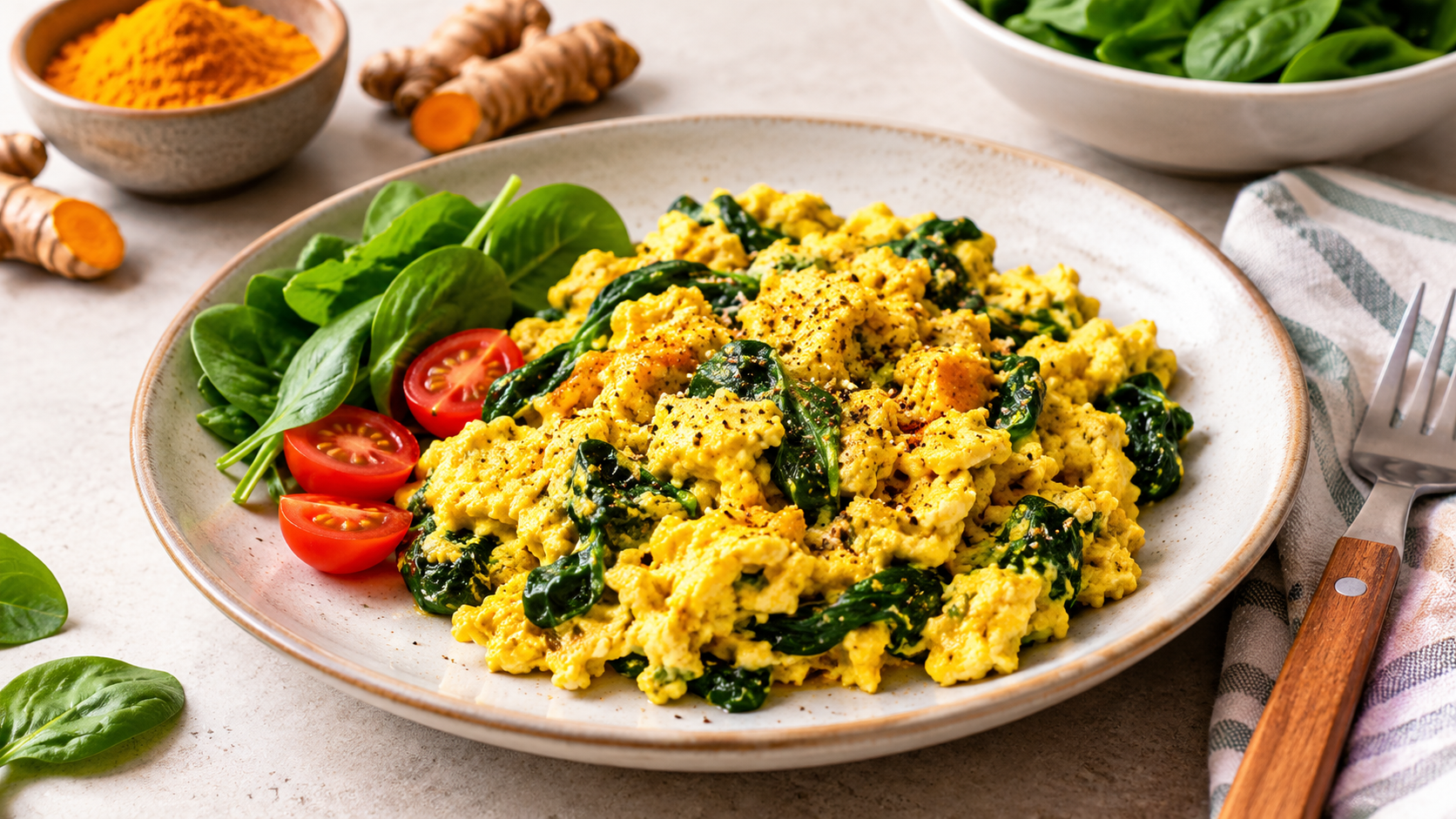
A Turmeric Spinach Scramble is an easy, nutritious breakfast made with eggs, fresh spinach, turmeric, and a few everyday ingredients. It provides protein to support muscle maintenance, while spinach contributes folate and vitamin K, a nutrient important for normal blood clotting and bone health. For adults over 60, this colorful egg scramble can be a practical addition to a balanced eating pattern that supports healthy aging and overall joint function.
Ready in about 15 minutes, this recipe is suitable for breakfast, brunch, or a light meal. Its warm spices, soft eggs, and tender spinach make it both satisfying and easy to prepare.
Turmeric Spinach Scramble Recipe at a Glance
- Prep time: 5 minutes
- Cook time: 8–10 minutes
- Total time: Approximately 15 minutes
- Servings: 2
- Difficulty: Easy
- Best for: A protein-rich breakfast with vegetables and beneficial nutrients
Ingredients
You will need the following ingredients to make two servings.
| Ingredient | Amount | Purpose |
|---|---|---|
| Large eggs | 4 | Provide protein and essential nutrients |
| Fresh spinach | 2 cups | Adds folate, vitamin K, and other nutrients |
| Ground turmeric | ½ teaspoon | Adds color, flavor, and curcumin |
| Extra-virgin olive oil | 1 teaspoon | Helps cook the ingredients |
| Yellow onion | 2 tablespoons, finely chopped | Adds flavor and texture |
| Garlic | 1 small clove, minced | Enhances the savory taste |
| Black pepper | A small pinch | Adds gentle spice |
| Salt | To taste | Enhances flavor |
| Water or milk | 1 tablespoon, optional | Helps create a softer egg texture |
Optional additions: Chopped tomatoes, sliced mushrooms, fresh parsley, or a small amount of crumbled feta cheese can add variety. If you are watching your sodium intake, use less salt and choose lower-sodium cheese.
How to Make Turmeric Spinach Scramble
Follow these simple steps for soft, flavorful eggs with tender spinach.
Step 1: Prepare the ingredients
Wash the spinach thoroughly and pat it dry. Chop the onion and mince the garlic. Crack the eggs into a bowl, add the optional tablespoon of water or milk, and whisk until the yolks and whites are combined.
Stir the turmeric and a pinch of black pepper into the egg mixture. This distributes the spice evenly throughout the scramble.
Step 2: Cook the onion and garlic
Heat the olive oil in a nonstick skillet over medium-low heat. Add the chopped onion and cook for approximately 2–3 minutes, stirring occasionally, until softened.
Add the minced garlic and cook for another 30 seconds. Avoid browning the garlic too much, as it can develop a bitter taste.
Step 3: Add the spinach
Place the fresh spinach in the skillet and stir until the leaves begin to wilt. This usually takes 1–2 minutes.
If the pan becomes dry, add a small splash of water. Allow excess moisture to evaporate before adding the eggs so the finished scramble does not become watery.
Step 4: Cook the turmeric eggs
Reduce the heat to low and pour the egg mixture over the spinach. Let it sit briefly, then gently stir with a spatula, moving the eggs from the edges toward the center.
Continue cooking for approximately 3–5 minutes, or until the eggs are fully set but still moist. Avoid high heat, which can make them rubbery.
For food safety, cook eggs until both the yolks and whites are firm. People at increased risk of foodborne illness, including some older adults, should be particularly careful with undercooked eggs.
Step 5: Season and serve
Remove the skillet from the heat, season with salt to taste, and serve immediately.
For a more complete meal, pair the scramble with whole-grain toast, fresh fruit, or a serving of plain Greek yogurt. These additions can provide fiber, additional protein, and other nutrients.
How This Recipe May Support Joint Health After 60
Joint health becomes an important consideration with age. Cartilage changes, reduced muscle strength, and certain medical conditions can affect mobility and comfort. Although no single food can prevent or reverse these changes, a balanced diet helps provide nutrients the body needs to maintain normal function.
This recipe combines several ingredients that contribute to a nutritious eating pattern.
1. Eggs provide protein for muscle maintenance
Eggs are a convenient source of high-quality protein, which supplies amino acids needed to build and repair body tissues.
As people get older, maintaining muscle becomes increasingly important. Strong muscles help support movement, balance, and the ability to perform everyday activities. The muscles surrounding the knees, hips, and other joints also contribute to stability and movement.
Four large eggs provide approximately 25 grams of protein in total, although the exact amount varies by egg size. Divided between two servings, the scramble supplies roughly 12–13 grams of protein per serving.
The National Institute on Aging recommends including a variety of protein-rich foods as part of healthy eating for older adults. Pairing this recipe with Greek yogurt or whole-grain toast can help create a more substantial breakfast.
Important distinction: Protein supports muscle maintenance, but eating eggs alone does not treat arthritis or rebuild damaged cartilage.
2. Spinach supplies vitamin K for bone health
Spinach is rich in vitamin K, a nutrient involved in normal blood clotting and the activity of proteins associated with bone metabolism.
Healthy bones provide structural support for the body, including the areas around the joints. Getting adequate vitamin K as part of a varied diet is therefore relevant to overall bone health.
However, vitamin K should not be described as a direct treatment for joint pain. Its role in maintaining normal body functions is different from relieving arthritis symptoms.
People taking warfarin or certain other vitamin K-sensitive anticoagulants should maintain a consistent vitamin K intake and consult their healthcare professional before making significant dietary changes.
3. Spinach contributes folate
Spinach also provides folate, a B vitamin needed for DNA synthesis and normal cell division.
These functions remain important throughout adulthood. Including leafy green vegetables in regular meals helps increase nutrient variety without requiring expensive specialty foods or supplements.
Folate does not directly lubricate joints or eliminate inflammation. Its value comes from supporting normal nutritional needs as part of a balanced diet.
4. Turmeric adds curcumin and flavor
Turmeric contains curcumin, a natural compound that has attracted scientific interest because of its potential anti-inflammatory properties.
Some studies of turmeric or curcumin supplements have reported improvements in certain symptoms of osteoarthritis, including knee discomfort. However, the evidence is not conclusive, and researchers still need better-quality studies to determine the extent of any benefits.
There is an important difference between using a small amount of turmeric in food and taking concentrated curcumin supplements. This recipe uses turmeric as a culinary spice, and its effects should not be assumed to match those observed in supplement studies.
Enjoy turmeric for its flavor and as part of a varied diet rather than treating this scramble as a remedy for arthritis.
Tips for Making This Breakfast More Nutritious
Small adjustments can make this recipe easier to adapt to individual preferences and nutritional needs.
- Increase the protein: Serve with plain Greek yogurt or add a small amount of low-fat cottage cheese.
- Add more vegetables: Mushrooms, tomatoes, and bell peppers provide additional flavor and variety.
- Choose whole grains: Whole-grain toast can contribute dietary fiber, which supports digestive health.
- Adjust the texture: Cook the eggs slowly over low heat for a softer scramble.
- Limit excess sodium: Use herbs, garlic, and black pepper to build flavor without relying on large amounts of salt.
- Prepare fresh servings: This recipe is quick enough to make when needed, helping preserve the spinach’s texture.
Considerations Before Trying This Recipe
This turmeric spinach scramble is a food recipe, not a medical treatment. Its nutritional value depends on portion size, ingredient choices, and the rest of your diet.
People with egg allergies should avoid eggs or use a suitable alternative. Anyone with dietary restrictions related to kidney disease or other medical conditions may need individualized advice about potassium, protein, or other nutrients.
Turmeric used in ordinary culinary amounts is generally well tolerated by many adults. Concentrated turmeric or curcumin supplements can have side effects and may interact with medications, so consult a healthcare professional before using them, especially if you take prescription medicines.
For adults over 60, a joint-friendly lifestyle generally involves more than nutrition alone. Appropriate physical activity, strength exercises suited to individual abilities, adequate sleep, and medical guidance when needed can all contribute to healthy aging.
Frequently Asked Questions
Is turmeric spinach scramble good for adults over 60?
It can be a nutritious option because eggs provide protein, spinach supplies folate and vitamin K, and turmeric adds flavor. It can fit into a balanced diet that supports healthy aging, but it is not a treatment for age-related joint problems.
Can turmeric help with joint pain?
Research on turmeric and curcumin supplements suggests possible benefits for some osteoarthritis symptoms, but the evidence remains limited. The amount of turmeric used in a breakfast recipe is not equivalent to a studied supplement dose, and this meal should not replace prescribed treatment.
How much protein does one serving contain?
One serving made with two large eggs contains approximately 12–13 grams of protein from the eggs alone. Additional ingredients, such as cheese or Greek yogurt served on the side, can increase the total.
Can I use frozen spinach?
Yes. Thaw the spinach and squeeze out excess water before adding it to the skillet. This helps prevent the eggs from becoming watery.
Can I prepare this recipe ahead of time?
For the best texture, serve it immediately after cooking. If necessary, refrigerate leftovers promptly in a covered container and use within 3–4 days. Reheat thoroughly to 165°F (74°C), following USDA food-safety guidance.
Is this recipe suitable for people with arthritis?
Many people with arthritis can enjoy this meal as part of a balanced diet, provided they tolerate the ingredients. Individual nutritional needs vary, and no single recipe has been shown to cure arthritis or reliably prevent joint deterioration.
Final Thoughts
The Turmeric Spinach Scramble is a simple way to bring eggs, leafy greens, and flavorful spices into your daily routine. Its protein content supports muscle maintenance, while spinach contributes folate and vitamin K for normal bodily functions and bone health.
For adults over 60, these nutritional benefits can complement a broader approach to healthy aging. Enjoy the recipe as part of a varied diet, stay physically active according to your abilities, and consult a healthcare professional about persistent joint pain or concerns.
Editorial and medical disclaimer: This article is for informational and educational purposes only. It is not affiliated with a specific food brand or healthcare organization and does not replace individualized medical or nutritional advice. Health claims have been framed conservatively using information from the U.S. National Institutes of Health and the National Institute on Aging.
Sources and review methodology: The nutritional discussion was prepared using publicly available information from the National Institute on Aging, the NIH Office of Dietary Supplements, and the National Center for Complementary and Integrative Health. These sources were consulted to distinguish established nutrient functions from preliminary research on turmeric. The recipe itself is a practical culinary preparation, not a clinically tested intervention.
Last reviewed: October 16, 2026.